
The American Heart Association recommends no more than six teaspoons of added sugar a day for women. Okay: the sugar found in whole foods like veggies and fruits, says Kimber Stanhope, PhD, a nutritional biologist at the University of California, Davis. If you can dial back your intake of added sugar, she says, you’ll start to rack up some amazing health benefits.
Get ready for younger-looking skin
The sugar in your diet affects the amount of sugar in your bloodstream– and studies suggest that high blood sugar levels set up a molecular domino effect called glycation. Say what? That’s just a fancy term for a process that can hinder the repair of your skin’s collagen, the protein that keeps it looking plump. A diet full of treats can also lead to reduced elasticity and premature wrinkles. Thankfully, research suggests that slashing your sugar intake can help lessen sagging and other visible signs of aging.
Score lasting energy
You may be riding this energy roller coaster all day since added sugar is hiding in countless sneaky places– even salad dressing and barbecue sauce. “When you eat foods high in protein and healthy fat instead, such as a handful of almonds, they’ll supply you with a steadier stream of energy that lasts longer,” says Diane Sanfilippo, a nutrition consultant and author of The 21-Day Sugar Detox Daily Guide.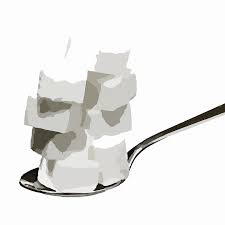
Say bye-bye to belly fat
Sugary fare spikes your blood sugar, triggering a flood of insulin through your body, which over time encourages fat to accumulate around your middle. Known as visceral fat, these fat cells deep in the abdomen are the riskiest kind because they generate adipokines and adipose hormones– chemical troublemakers that travel to your organs and blood vessels, where they bring on the inflammation that can contribute to conditions like heart disease and cancer.
Drop pounds faster
Increased insulin levels don’t just add pounds to your stomach; they put fat cells all over your body into calorie-storage overdrive, says endocrinologist David Ludwig, MD, a professor of nutrition at the Harvard T.H. Chan School of Public Health, and co-author of Always Delicious. “I call insulin the Miracle-Gro for your fat cells. It’s just not the sort of miracle you want happening in your body.” Replacing refined carbs and sugary foods in your diet with healthy fats helps keep your insulin stable, he says, so fewer calories get stored as fat. As a result, “hunger decreases, metabolism speeds up, and you can lose weight with less struggle.”
Stop worrying about diabetes
Since having fewer sweets helps you keep off excess pounds, you’ll also be more protected against type 2 diabetes. Eating less sugar also lowers your risk of the disease in another way: “A diet with lots of fast-digesting carbohydrates, like sugar, requires the pancreas to release lots of insulin, meal after meal, day after day,” explains Dr. Ludwig. “That excessive demand may overtax insulin-producing cells, causing them to malfunction, eventually leading to diabetes.”
Set your ticker up for success
Research suggests added sugar can take a real toll on the cardiovascular system. A 2014 study revealed that people who consumed 17 percent to 21 percent of their daily calories from the sweet stuff had a 38 percent higher risk of dying from heart disease compared with those who kept their added sugar intake to 8 percent of their daily calories.
The sugar in your diet affects the amount of sugar in your bloodstream– and studies suggest that high blood sugar levels set up a molecular domino effect called glycation. “When you eat foods high in protein and healthy fat instead, such as a handful of almonds, they’ll supply you with a steadier stream of energy that lasts longer,” says Diane Sanfilippo, a nutrition consultant and author of The 21-Day Sugar Detox Daily Guide.
Sugary spikes your blood sugar, triggering a flood of insulin through your body, which over time encourages fat to accumulate around your middle. Eating less sugar also lowers your risk of the disease in another way: “A diet with lots of fast-digesting carbohydrates, like sugar, requires the pancreas to release lots of insulin, meal after meal, day after day,” explains Dr. Ludwig. A 2014 study revealed that people who consumed 17 percent to 21 percent of their daily calories from the sweet stuff had a 38 percent higher risk of dying from heart disease compared with those who kept their added sugar intake to 8 percent of their daily calories.
